
AT-A-GLANCE
TERMS
Fall Semester, Spring Semester, Academic Year, Summer Term
HOUSING TYPES
Homestay, *Student Residence available on limited basis
INCLUDED DAYTRIPS
Various regions in Southern France
LANGUAGE OF INSTRUCTION
English and French
SEMESTER
FALL 2027
APPLICATION DEADLINE
May 5
SPRING 2027
APPLICATION DEADLINE
September 30
CREDITS
15
VISA
Required
SUMMER
2027 APPLICATION DEADLINE
March 17
CREDITS
3-9
VISA
Not Required for U.S. Citizens
WHY AIX-EN-PROVENCE?
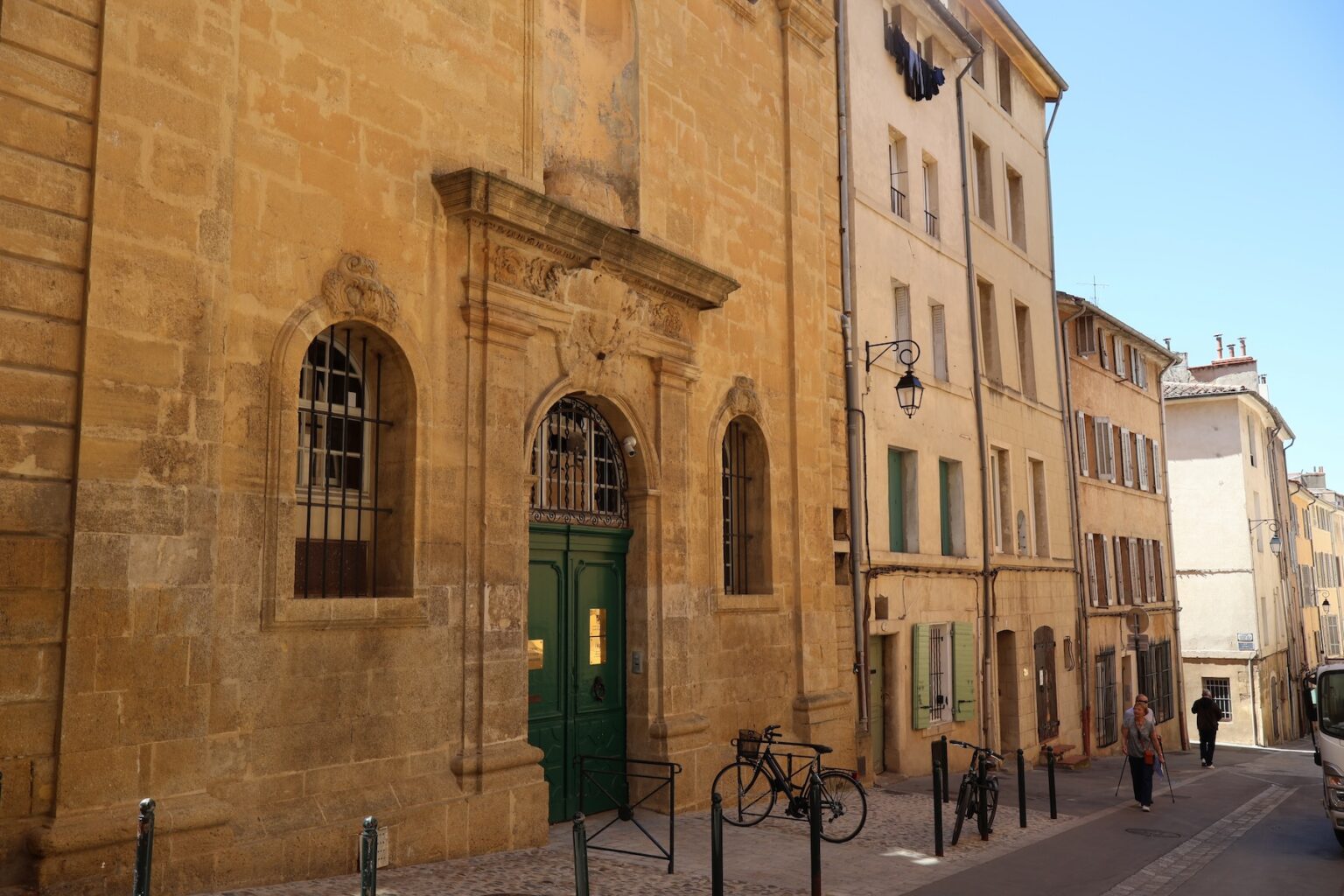
IAU’s global flagship campus is in Aix-en-Provence, a charming university town located in the southern region of France. The city of Aix (pronounced like the letter “X”) provides traditional French culture in an intimate setting, while offering the appeal and elegance of a large metropolis. The historic town is known for its beloved painter, Paul Cézanne, who painted the surrounding rolling landscape, including Mont Sainte-Victoire.
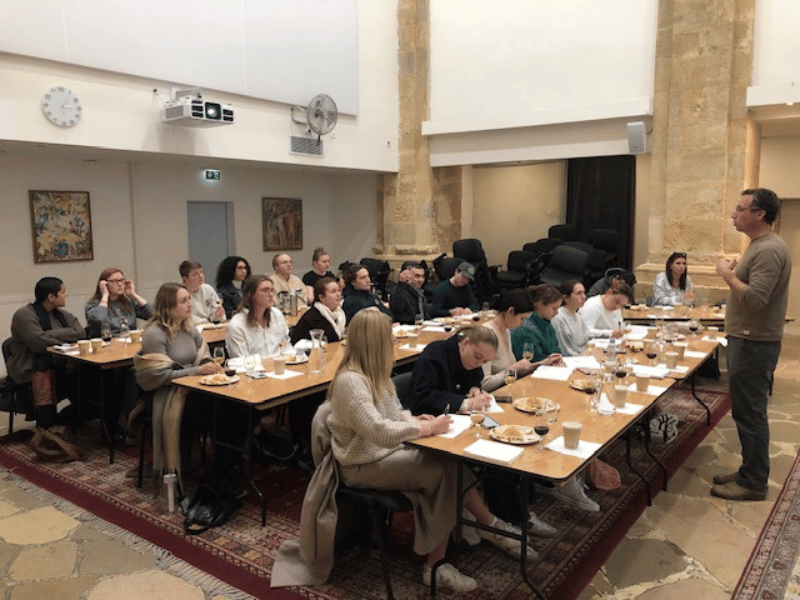
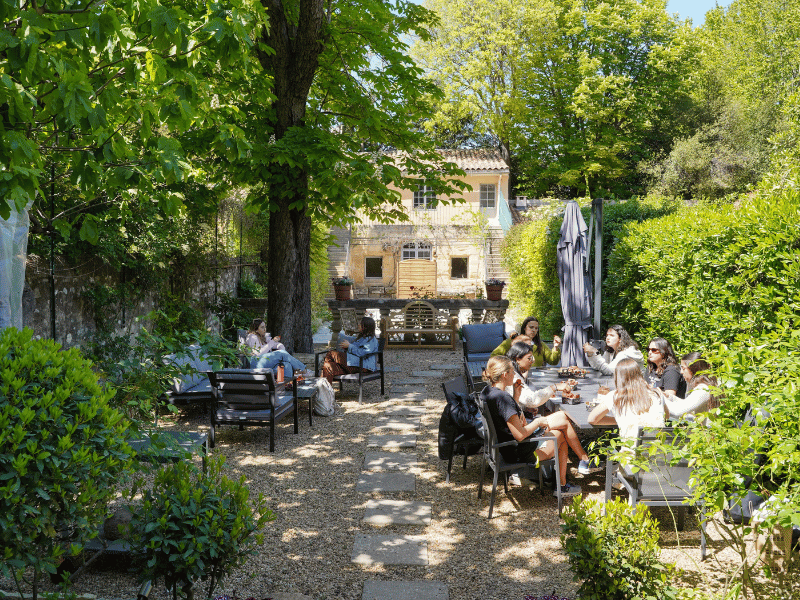
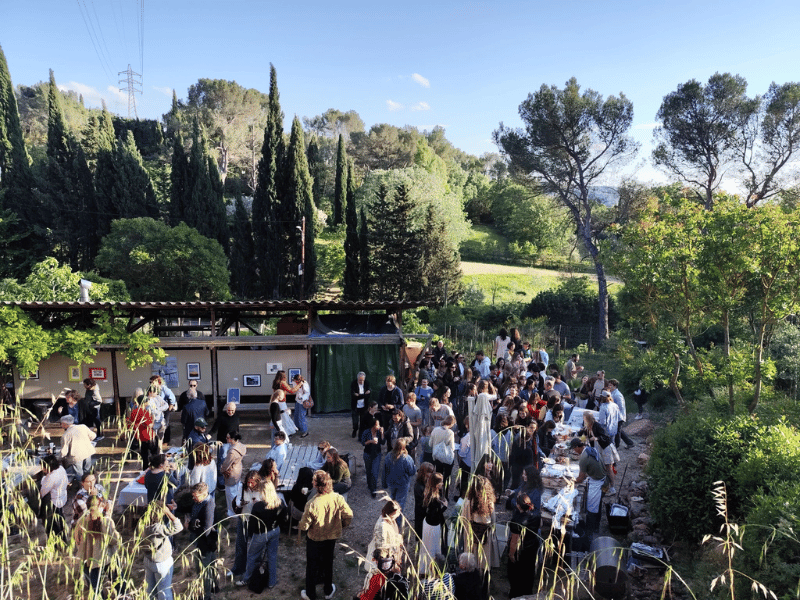
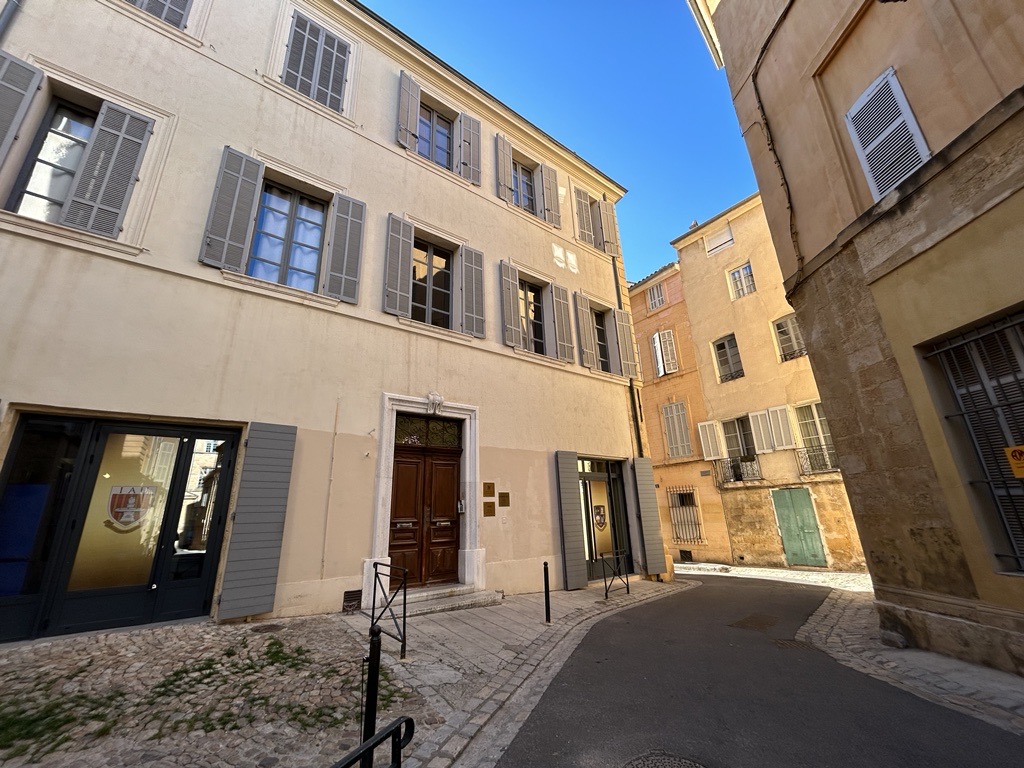
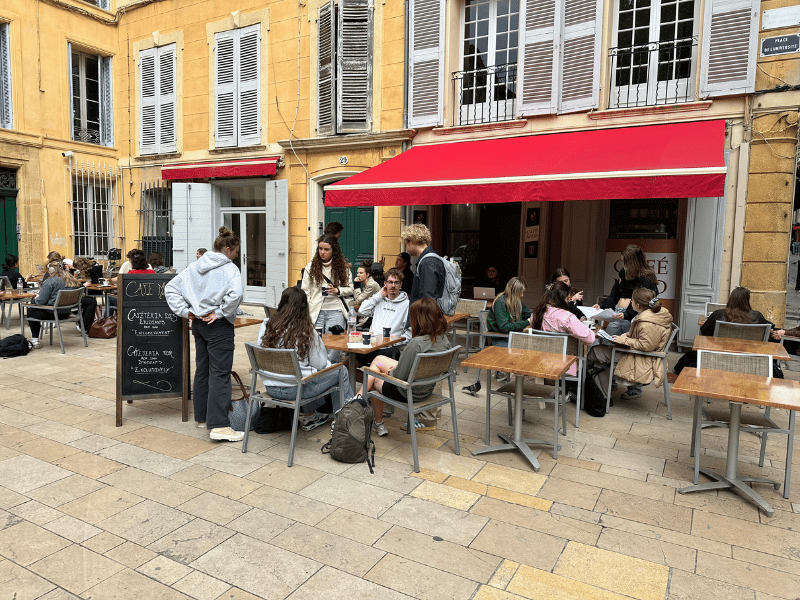
While abroad, students explore Aix and the surrounding regions through courses, field studies, and cultural activities. IAU’s campus in Aix is centrally located in the historic part of town. Along with classrooms and offices, the campus in Aix also has the student-exclusive Café Med, the School of Art located on the renowned ‘Route de Cézanne,’ and the ACM-IAU Vineyard.
ACADEMICS
At the Aix-en-Provence campus, students will be able to:
- Choose their courses across a variety of disciplines.
- Focus their studies within a specific discipline by enrolling in an academic track, specialized program, or certificate program.
- Participate in field study trips and tours as a part of all classes offered.
Programs
This program enables students to choose from all our course offerings to fulfill many of their general education requirements and complete major and minor requirements.
IAU is proud to offer students access to unpaid, for-credit Internships and Service-Learning placements at local businesses, NGOs, and non-profits during the Fall, Spring, and Summer terms.
Application Requirements
- Completed IAU Application – including the additional application process requirements listed below:
- Internship Questionnaire
- Resume Submission
- Cover Letter Submission
- Virtual Internship Interview
- Regular and professional communication with the Internship Coordinator throughout the internship placement process including timely responses to communication
- Signed Internship Agreement between the student, Internship Coordinator, and Company Mentor outlining expectations, work assignments, and policies
- Demonstrated French Language Proficiency: Minimum 4 semesters of college-level French or equivalent
On-Site Requirements
- 10-20 hours at the internship site each week (number of hours vary by program location)
- Participation in the weekly academic component of the internship course alongside placement hours
- Demonstration of reliability, enthusiasm, and professionalism throughout the entire process
Preparing for an Internship
Before the internship begins, students will work with the IAU Internship Coordinators to create a resume in French, to practice interviewing standards and techniques, and to prepare for the chance of a local placement. Virtual interviews for these positions will be conducted entirely in French prior of the semester. Students will receive their internship placement offer before they arrive on-site. If an internship placement cannot be made, students will be given the opportunity to enroll in the General Studies program and select an alternative course.
Internship Expectations
During the term, students complete a seminar directed by the IAU Internship Coordinator in tandem with their internship experience. They meet and communicate regularly to follow their progress, learn about topical issues in European labor, and complete reports and projects. Students can expect to spend 10-20 hours per week at their internship placement, along with an additional 2 hours per week of academic study outside of their internship. Students are awarded 3 academic credits upon successful completion of their internship. Students in Aix-en-Provence will be expected to have two weekdays free of other classes and have a regular work schedule during the term.
Internship Fields
Below are some examples of fields IAU students have interned with in past terms. The IAU Internship Coordinators work diligently to find new and relevant placements each term. If there is a topic a student is interested in that is not represented below, there is a possibility a placement in that field can still be made. Reach out to the U.S. Office of Admissions for specific previous and current examples of internship placement opportunities.
- Commercial Development
- Community Management
- Communications
- Education
- Event Planning
- Human Resources
- Law
- Library Science
- Marketing
- Museum Science
- Research
- Public Relations
- Sales
- Social Media
- Support – Purchasing – Finance
- Theatre
- Tourism
- Translation
- Web Development & Animation
Please keep in mind that participating in an internship is unlike any other course because it involves significant preparation, and expectations are set early on in the placement process. Students cannot withdraw from the internship once preparations are finalized.
Please note that placement in an internship cannot be guaranteed and is subject to eligibility and availability.
Students are invited to join IAU for an optional week-long, Early Start program before their Fall or Spring semester abroad. This is an add-on option that students opt-in to when they complete their IAU application. The goal of the program is for students to feel more comfortable in everyday communication with locals and in a new and exciting city.
During this week, students will:
- Earn one language course credit
- Jump-start the French immersion process and ease into the new and exciting culture
- Begin living in their French accommodation a week early
- Students participating in the Early Start Program will be housed in their assigned housing model for both the Early Start Program and the following semester.
- Gain confidence in their language skills and feel comfortable in everyday communication with locals
- Participate in a hands-on environment with small classes and personal attention
- Learn to navigate the city of Aix-en-Provence through local excursions in a fun and relaxed setting
- Attend sessions on local culture and cultural difference to get the most out of their abroad experience
- Learn important intercultural differences such as body language, etiquette, dos and don’ts, French culture and housing expectations, stereotypes and misunderstanding
- Meet local and foreign students through IAU
- Learn where to get the best croissants in town!
*Students who attend both the J-Term and Spring semester can attend the Early Start Program for a reduced fee.*
You can enroll in the Early Start Program during the online application process. If you would like to add the Early Start Program at a later point in the pre-departure process, please email the Office of Admissions at enroll@iau.edu. Please note that the program does have a maximum capacity.
The French Honors Program is designed for French Majors or other students with demonstrated advanced-level French, interested in a comprehensive linguistic and cultural immersion program. Upon full completion of the program, students will be awarded a Certificate in French Honors Abroad. Students in the French Honors Program have the following academic and student life requirements:
Semester French Honors Program Academic Requirements
- FRE/LIT/ART 411/413: Cultural Approach of the Other – French Honors Seminar
- Four upper-level French classes (exceptions can be made for one class in English according to home institution credit requirements)
- Weekly follow-up session which integrates the themes of the student’s chosen course with current sociocultural-political events in France
- Complete daily journal in French
Summer French Honors Program Academic Requirements
- French Honors Seminar (FRE 411) from Session A
- One or two courses taught in French from Session A, B, or C depending on if the student is taking a six or nine credit summer term.
Student Life Requirements
- Students must live with a host family.
- Students will be spoken to solely in French by IAU faculty and staff.
- Students must attend special receptions, cultural activities, and excursions in French.
- Students must participate in a lecture series in French by local experts in politics, journalism, and the cultural history of the region.
- Students must engage in intercultural dialogue with local French students from universities in Aix.
Marchutz Core Art Program: Plein Air Painting
“What we need is a school of vision.” – Léo Marchutz
In recognizing a need for a “school of vision” Léo Marchutz had in mind an affirmative eye-opening educational experience for students. Encouraging them to open their eyes to what Oskar Kokoschka called “the miracle of the visible world”. The open eye is the foundation; it is a principle, or better still, a habit, related to the belief that the artist’s task is to make us feel, to make us see. Especially for the painter, art begins with the open eye.
The mission of the Marchutz Core Art Program – Plein Air Painting is, above all, to develop the student’s capacity to see. The program helps students sharpen their visual perceptions of the world around them, decipher their emotional responses to these perceptions, and through a holistic (studio, historical, and critical) discipline, relate their discoveries to an intensive investigation of the nature and aim of art. Students will learn from a myriad of available resources including masterworks, architecture, figure and portrait work, and landscape. The human imagination, memory, perception, and craft are interwoven throughout the curriculum. These resources and programmatic themes help students look around their environment as well as within themselves until their artistic expression springs from a union of sight and insight – one of the major learning outcomes for all students.
Marchutz Core Art Program Included Field Studies
- Multiple-day museum study in Paris, France (Fall)
- Multiple-day painting excursion to the Lac d’Annecy, France (Fall)
- Multiple-day painting excursion to Venice, Italy (Spring)
- Day-trips to the surrounding countryside of Aix-en-Provence and the Vaucluse (Fall & Spring)
Semester Marchutz Core Art Program Academic Requirements
- ART/PHI 309 or ART 310 – Art Criticism and Aesthetics Seminar I
- ART 100, 200, 300, or 400 – Drawing Course
- ART 130, 230, 330, or 350 – Painting Course
- One French course
- One elective in Art History
Summer Marchutz Core Art Program Academic Requirements
- Art Criticism & Aesthetics (ART/PHI 311A): 3 credits
- Painting & Drawing (ART 107/207/307A): 3 credits
Mediterranean Core Art Program: Studio Art
The mission of the Mediterranean Core Art Program – Studio Art – is to expose students to the diverse histories, narrative, cultures and artistic movements of the Mediterranean Basin in Europe and Africa. The program looks at contemporary artistic practices to gain a thorough understanding of the region. Through interdisciplinary seminars, field studies, and site visits with working artists and artisans, students become integrated into the contemporary and historical practices of the region. The program improves students’ visual perception, and provides them with cross-cultural perspectives through painting, drawing, and ceramics.
Mediterranean Core Art Program Included Field Studies
- Day trips to Aix-en-Provence and Marseille
- Multiple-day excursion to European and North African (Morocco or Tunisia) countries. Note that destinations are subject to change every semester.
- Site visits in South of France
Semester Mediterranean Core Art Program Academic Requirements
- ART 319 – The Mediterranean Seminar: The Perception of the Mediterranean Through the Ages
- ART/ARH 294 – Altered Landscapes: A Mixed Media Studio Course
- ART/ARH 295 – Drawing and Painting in the Mediterranean
- One French course
- One elective in Art History, Museum Studies or Music
French Language and Culture Certificate
Students who are aiming to earn this certificate will be required to take the following sequences of courses and credits to be eligible. This certificate is open to all majors who are studying abroad for a Fall Semester, Spring Semester, or Academic Year.
French Language Program Academic Requirements
- FRE 337: French Language and Culture Seminar
- One French language course: FRE 301 or FRE/LIN 335 (or FRE 302 with instructor’s approval)
- Two French culture courses: FRE/SOC 306, FRE/BUS 311, FRE/LIT 315, FRE/FLM 325, FRE/FLM 326, FRE/SOC 333 (possibility to enroll in a more advanced level with instructor’s approval)
- One elective in any discipline
Translation and Publishing Certificate
Students who are aiming to earn this certificate will be required to take the following sequences of courses and credits to be eligible. This certificate is open to all majors who are studying abroad for a Fall Semester, Spring Semester, or Academic Year.
Translation and Publishing Certificate Program Academic Requirements
- FRE 401: Translation and Structure: From Colloquial to Literary I or 402: Translation and Structure: From Colloquial to Literary II
- FRE 470: Translation and Publishing: Workshop I or 471: Translation and Publishing: Workshop II
- FRE/LIT 383: FRE Writing in the Mediterranean: The Meeting of Literature and Regional Culture
- FRE 341: Internship (in the publishing industry)
- One elective in any discipline
Global Wine Studies Certificate
This certificate program offers students the opportunity to learn about the complex and vast wine industry, paving the way for a potential future in the global wine world. From Provence to Champagne, Bordeaux, Burgundy and more, students in this program will have the unique opportunity to experience first-hand the history of wine in some of the greatest wine regions throughout France. Students will also study the global wine industry across Europe, the United States, South America, Australia, and New Zealand. Wine studies courses generally include field studies to vineyards and wineries in the region.
Students who are aiming to earn this certificate will be required to take the following sequences of courses and credits to be eligible. This certificate is open to all majors who are studying abroad for a Fall Semester, Spring Semester, or Academic Year.
Students need to take 3 courses from the following list as well as an elective and French class to obtain the Global Wine Studies Certificate:
- WGS/MKT 302 Wine Marketing and Sensory Analysis;
- WGS/BUS 310 International Wine Business;
- WGS/ENS 305 The Chemistry and Biochemistry of Wine Making;
- WGS/CLT 307 Food and Wine Pairing;
- WGS/ENS 340 The History and Culture of Wine in the Mediterranean;
- WGS/ENS 380 Applied Sustainable Viticulture;
- WGS/ENS 385 The Art and Science of Applied Wine Making;
- WGS/HIS 270 Food Culture in Provence, France and the Mediterranean
Courses
Discover IAU’s complete Course Catalogue, filterable by term and IAU center location, through the link below. IAU semester students are required to take 15 units/5 courses, and IAU summer students select between 3-9 units/1-3 courses.
All courses are taught in English unless otherwise indicated (e.g., FRE courses). Course offerings are subject to change and must meet minimum enrollment as determined by IAU staff. All students who study in Aix-en-Provence must take one French language course during their time abroad.
Example Courses
Find an example of our course offerings for a semester program in Aix-en-Provence below. Please note that not all courses you see will be offered in any given term. For information on courses and course times we are currently offering, please see the Course Search By Term option above.
Accounting
- ACC 201: Principles of Accounting I
Arabic
- ARA 101: Elementary Modern Standard Arabic I
- ARA 102: Elementary Modern Standard Arabic II
- ARA 202: Intermediate Arabic II
- ARA 299: Independent Study: Conversational Arabic
Archaeology
- ARC 312: European and Mediterranean Prehistoric Art and
- ARC 313: Powers and Identities in the Ancient Mediterranean
Art & Art History
- ARH 201: Introduction to Art History: Prehistory to Modern Times
- ART 100: Drawing I Foundation
- ART 108: Photography and Videography: Smartphones and
- ART 112: Ceramics I: Introduction to Ceramics
- ART 130: Painting I Foundation
- ART 200: Drawing II Intermediate
- ART 230: Painting II Intermediate
- ART 294: Altered Landscapes: A Mixed Media Studio Course
- ART 295: Drawing & Painting in the Mediterranean
- ART 300: Drawing III Advanced I
- ART 306: Drawing into Painting
- ART 309: Art Criticism and Aesthetics Seminar I
- ART 310: Art Criticism and Aesthetics Seminar II
- ART 319: The Mediterranean Seminar: The Perception of the
- ART 320: Picasso, Matisse, and the Mediterranean
- ART 327: Arts Administration: Cultural Management and
- ART 330: Painting III Advanced I
- ART 340: The Mediterranean and Beyond: Cross-Cultural Studies
- ART 342: Artistic Encounters in the Mediterranean: Cross-Cultural
- ART 350: Painting III Advanced II
- ART 364: Contemporary Art: Visual Representations of the
- ART 373: Renaissance Art and Architecture
- ART 381: The 19th Century and French Impressionism
- ART 382: Cezanne and Van Gogh
- ART 399: Independent Study: Advanced Painting and Techniques
Business
- BUS 301: International Business Today and Tomorrow
- BUS 303: Intercultural Management
- BUS 304: Business Ethics in the Global Market
- BUS 305: Global Marketing
- BUS 307: What is French Luxury Today?
- BUS 311: Business French
- BUS 314: The Global Fashion Industry in the Mediterranean
- BUS 323: The Business of Responsible Fashion
- BUS 334: The Secrets to French Savoir Faire and How Legacy
- BUS 335: Strategic Communications and the Magic of Stories
- BUS 336: Sustainable Entrepreneurship
- BUS 337: International Negotiations
- BUS 338: The Heart of French Perfume: Heritage, Craft, and
- BUS 399: Independent Study: Sustainable Business Models and
Communication Studies
- COM 314: France during the Occupation:1939-1945
- COM 316: Media and Conflict
- COM 399: Independent Study: From Page to Screen, A Study in
Economics
- ECO 304: Economic Globalization: Growth and Development
- ECO 308: International Economics and the European Union
Environmental Studies
- ENS 309: Global Environmental Politics
- ENS 201: Principles of Environmental Systems Science
- ENS 399: Independent Study: Politics of Biodiversity
English
- ENG 101: Focused Analytical and Critical Writing
Film Studies
- France as Seen Through Its Movies, The 1980’s to Today
Finance
- FIN 300: Financial Management
- FIN 301: International Finance
French
- FRE 101: Practical Elementary French I
- FRE 102: Practical Elementary French II
- FRE 110: Early Start French
- FRE 151: Immersive Elementary French I then II
- FRE 201: Intermediate French I
- FRE 202: Intermediate French II
- FRE 203: Intermediate-Advanced French
- FRE 210: Early Start French
- FRE 211: Intermediate French: Living in France
- FRE 235: The Phonetics of Contemporary French – Introduction
- FRE 251: Immersive Elementary French II then Intermediate
- FRE 252: Immersive Intermediate French I then II
- FRE 301: Advanced French I: Structure and Expression
- FRE 302: Advanced French II: Conversation and Composition
- FRE 306: Cross-Cultural Studies in Food and Culture
- FRE 310: Early Start French
- FRE 311: Business French
- FRE 315: Introduction to French Literature
- FRE 325: France as Seen Through Its Movies, Post WWII to the
- FRE 326: France as Seen Through Its Movies, The 1980’s to
- FRE 333: Contemporary France: Society, Politics and Culture
- FRE 335: The Phonetics of Contemporary French
- FRE 337: Certificate in French Language and Culture: Seminar
- FRE 341: Internship
- FRE 344: French Children’s Literature: Powers of Imagination
- FRE 345: French Children’s Literature: Exploring French Culture
- FRE 348: Provencal History and Culture Through Its Monuments
- FRE 362: Women and the Mediterranean: From the 16th to the
- FRE 363: Women and the Mediterranean: From the 18th to the
- FRE 376: Contemporary French Identities
- FRE 379: Deep-Dive into the French Language: History,
- FRE 383: Writing in the Mediterranean: The Meeting of Literature
- FRE 401: Translation and Structure: From Colloquial to Literary I
- FRE 402: Translation and Structure: From Colloquial to Literary II
- FRE 411: Cultural Approach of the Other – French Honors
- FRE 412: Contemporary French: The Linguistics of Everyday
- FRE 417: Dissent in the Mediterranean: From Albert Camus to
- FRE 471: Translation and Publishing: Workshop II
History
- HIS 301: Europe, from the Invention of Cinema to Trench Warfare
- HIS 303: France and Europe in the Cold War
- HIS 314: France during the Occupation: 1939-1945
- HIS 321: French Colonialism in the Middle East and North Africa
International Relations
- IRL 303: International Relations
- IRL 305: US Diplomacy in an Age of Change: Case Studies and
- IRL 318: The Israeli-Palestinian Conflict
- IRL 334: European Union Environmental Politics
- IRL 337: International Negotiations
- IRL 448: Global Justice
Internships
- INT 341: Internship
- INT 398: Student Life Internship I
- INT 399: Student Life Internship II
Literature
- LIT 277: Creative Writing – Spirit of Place
- LIT 315: Introduction to French Literature
- LIT 325: The European Novel
- LIT 377: Creative Writing – Spirit of Place
Managment
- MGT 318: Organizational Behavior
Marketing
- MKT 311: Principles of Marketing
- MKT 302: Wine Marketing and Sensory Analysis
Mediterranean Studies
- MED 101: Introduction to Mediterranean Studies
- MED 201: Mediterranean Cultural Traditions
- MED 323: Migrations, Borders, Hospitality
- MED 352: Mediterranean Identities and Cultures Through the Lens
Museum Studies
- MSM 304: Curatorship: Theory and Practices
- MSM 337: History of Museums: From Prehistoric Caves to the
- MSM 391: Museums Today: Missions and Challenges
Music Studies
- MUS 245: Music and Sound of the Mediterranean
- MUS 307: Opera, Women and Politics: How Music and Theatre
Philosophy
- PHI 312: Ethics in Society
- PHI 319: Contemporary Political Philosophy
Political Science
- POL 307: The European Union: Integration, Enlargement, Unity
- POL 308: Geopolitics of the Mediterranean Basin: Security in a
- POL 309: Global Environmental Politics
- POL 318: The Israeli-Palestinian Conflict
- POL 322: Contemporary French Politics
- POL 360: The International Law and Politics of Armed Conflict
Psychology
- PSY 304: Human Development in a Cultural Context
Religious Studies
- REL 301: The Problem of God
- REL 311: Early Christianity in Europe
- REL 402: Advanced Topics in Philosophy of Religion
Wine Studies
- WGS 206: An Introduction to French Wine
- WGS 270: Food Culture in Provence, France and the
- WGS 302: Wine Marketing and Sensory Analysis
- WGS 305: Chemistry and Biochemistry of Wine Production
- WGS 307: Wine and Food Pairing
- WGS 310: International Wine Business
- WGS 340: The History and Culture of Wine in the Mediterranean
- WGS 380: Applied Sustainable Viticulture
- WGS 385: Applied Sustainable Wine Production and Sensory
Syllabus Library
Access IAU’s Syllabus Library at the link below. It is important for students to consult with their home university’s study abroad office to confirm course approvals and transfers. If a syllabus for a planned term of study is not yet available, students may reference and submit a syllabus from the most recent available term.
HOUSING
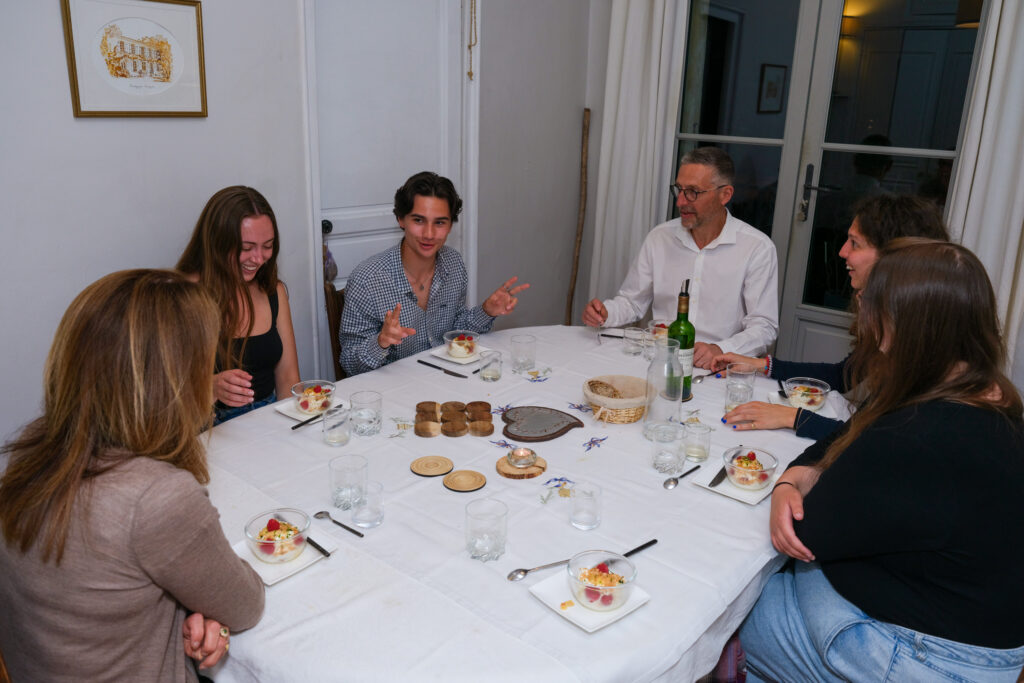
ACM-IAU greatly values homestay living arrangements due to the cultural and language advantages they offer and will do its best to place students in homestays when available. During the semester term, the majority of students live in homestays. Under certain conditions, and with prior approval from the home university, a limited number of Student Residence Apartments may be available.
During the summer term, the majority of students live in student residence apartments due to the limited availability of homestays.
IAU housing is within convenient access of public transportation and within an approximately 30-minute commute either by walking or public transport to the IAU Aix-en-Provence Campus.
In a student’s IAU application, a student will complete a Housing Questionnaire which asks for a student’s preferred housing type, roommate preference (if any), and additional essential details used by our housing teams to complete their placement. IAU will consider student preferences in housing placements but cannot guarantee that all stated preferences can be met.
All program participants are required to live in IAU-arranged housing and sign and abide by the IAU Student Handbook and Housing Agreement.
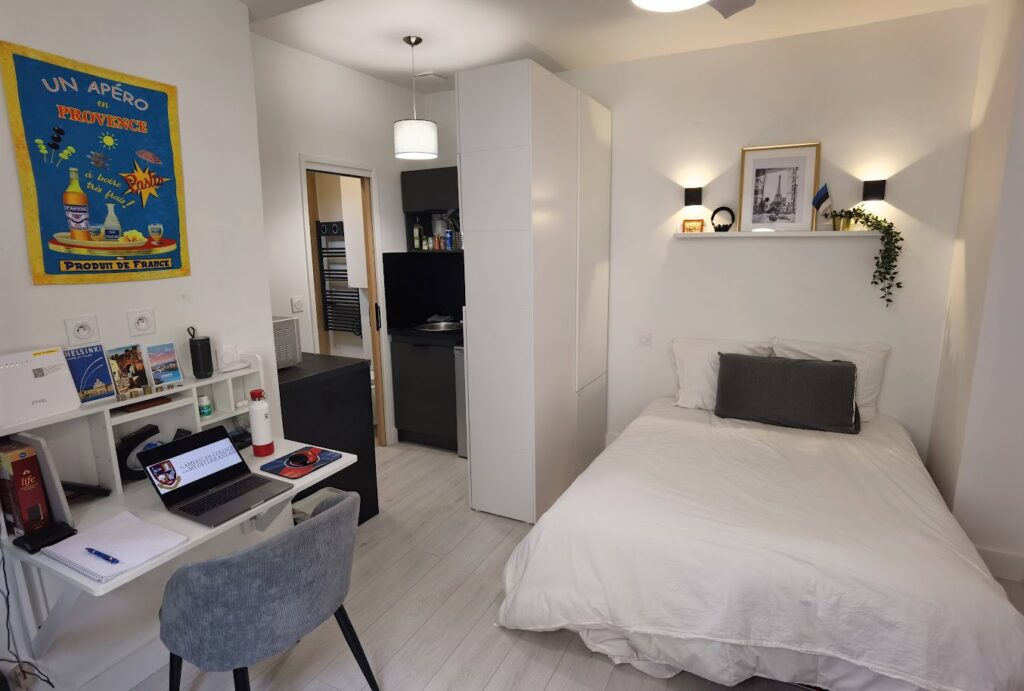
PLEASE NOTE: Housing schedules are aligned with the IAU academic calendar. Students who arrive early or depart late are invited to book their own accommodations, as program housing is only available during the confirmed program dates.
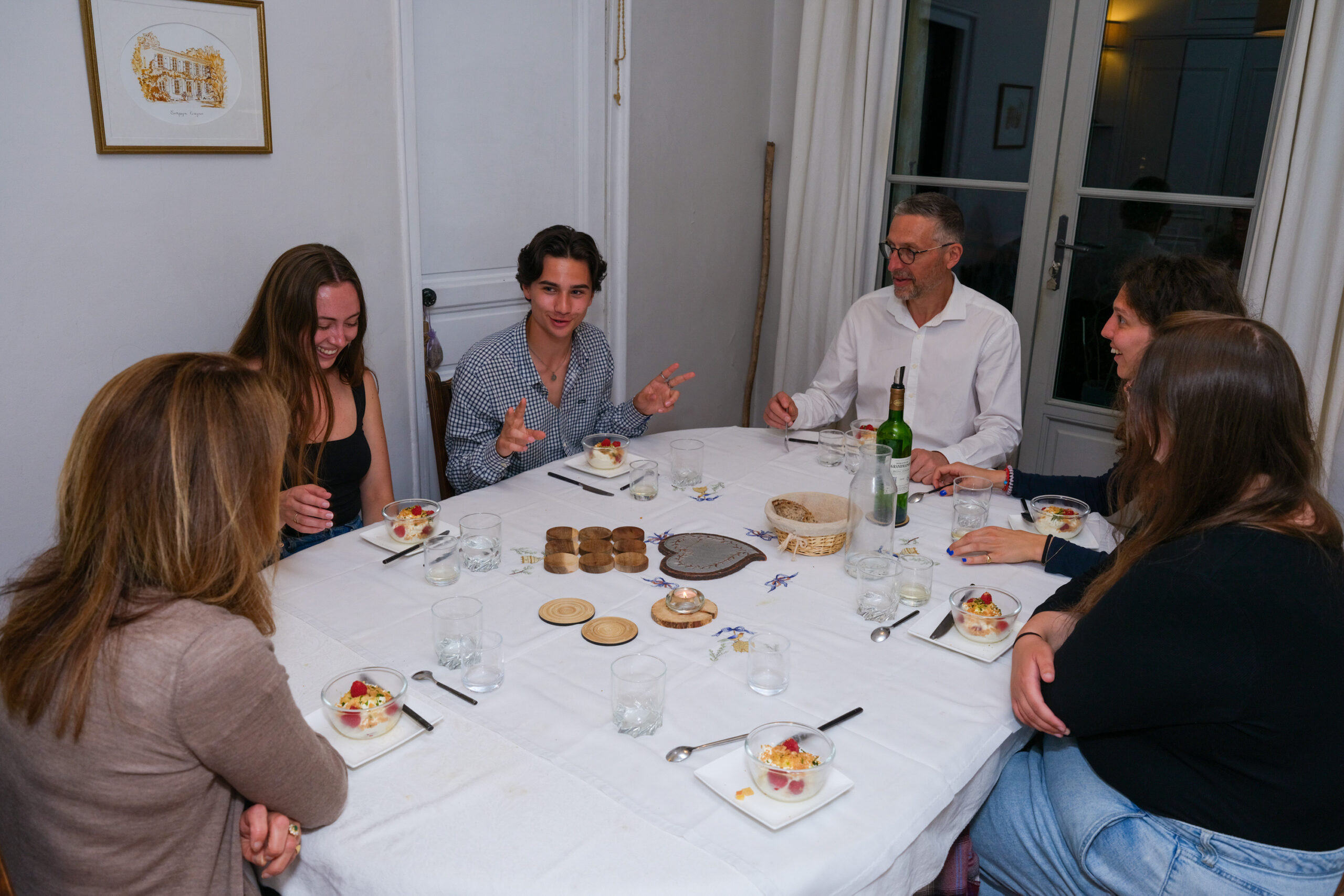
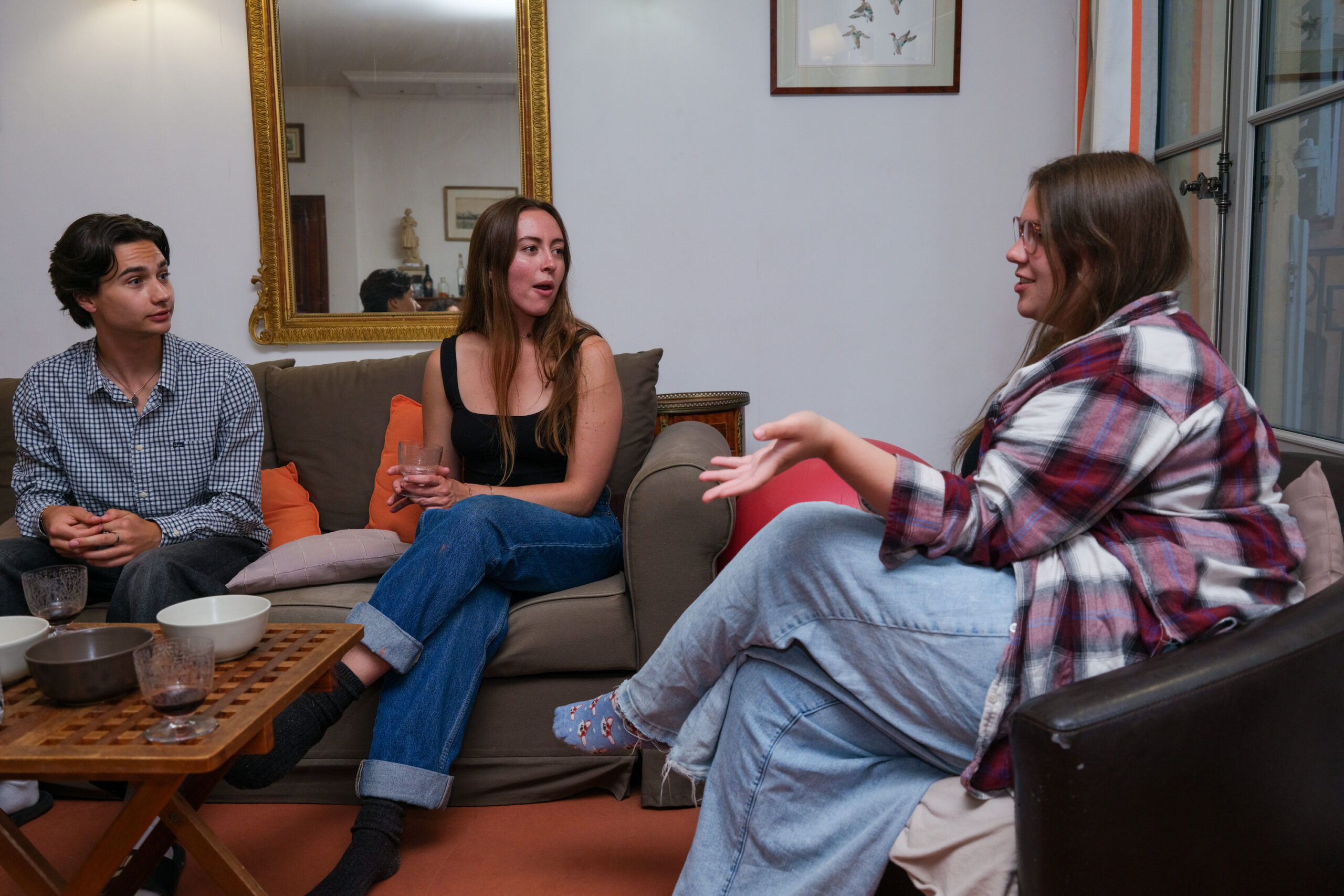
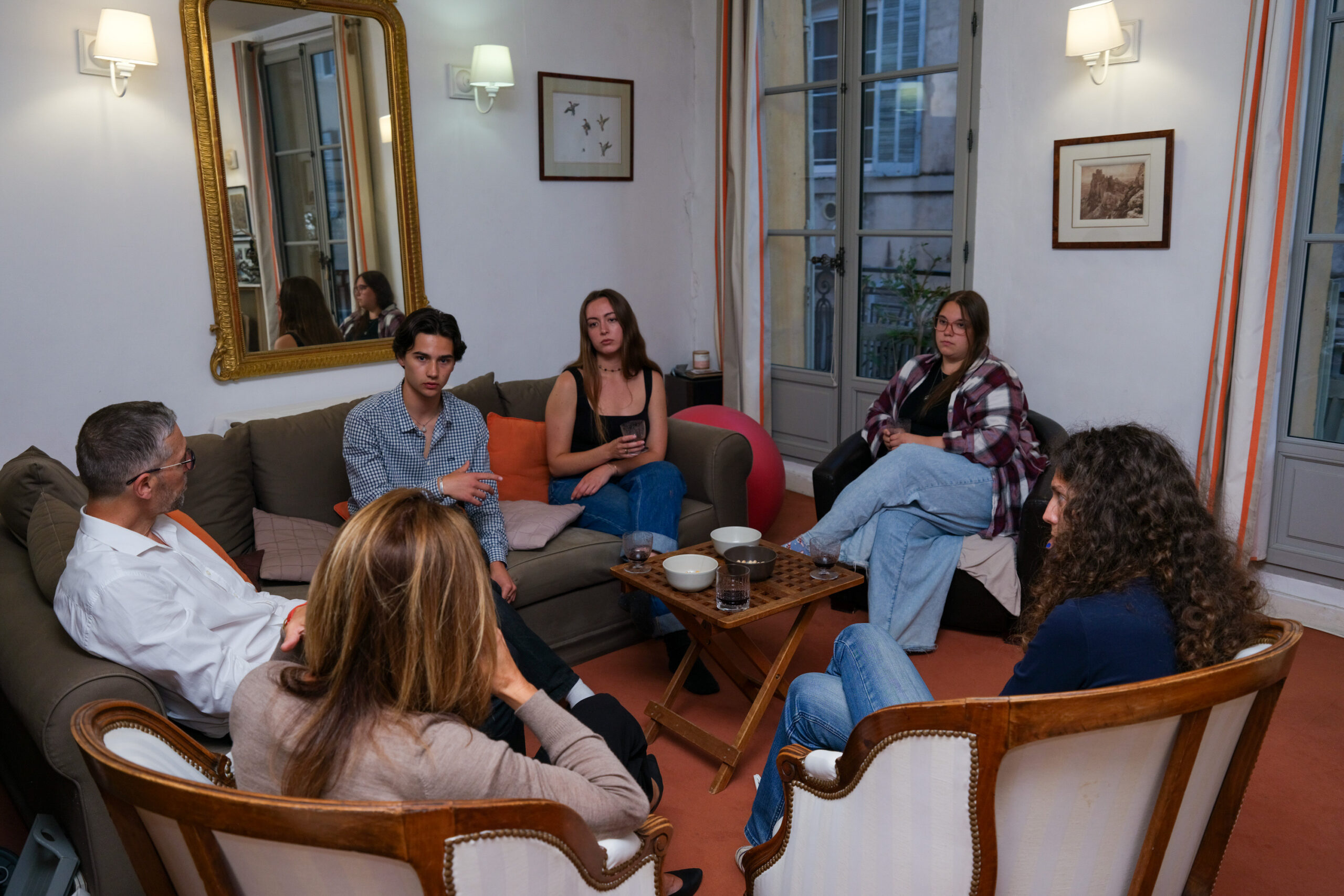
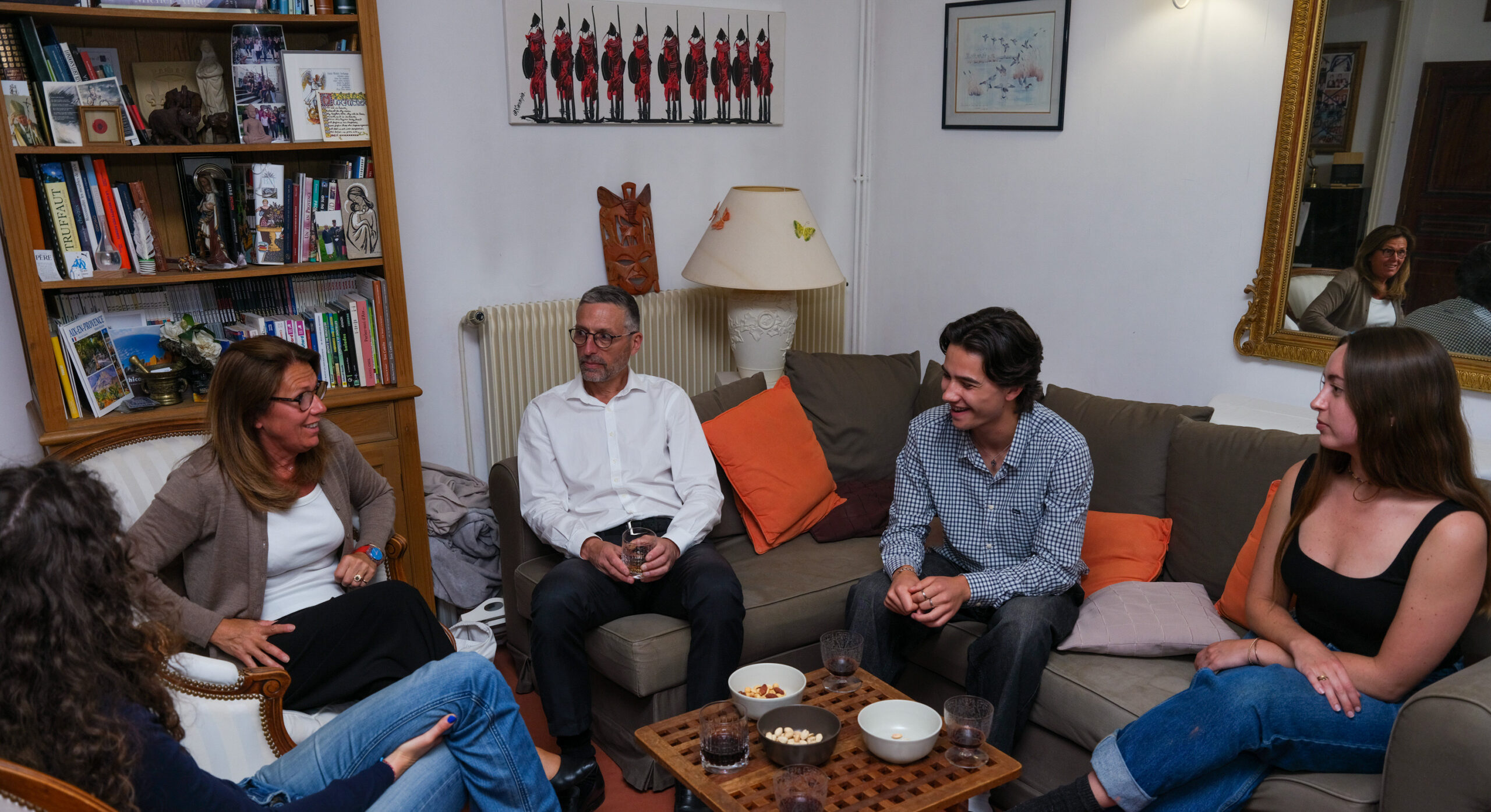
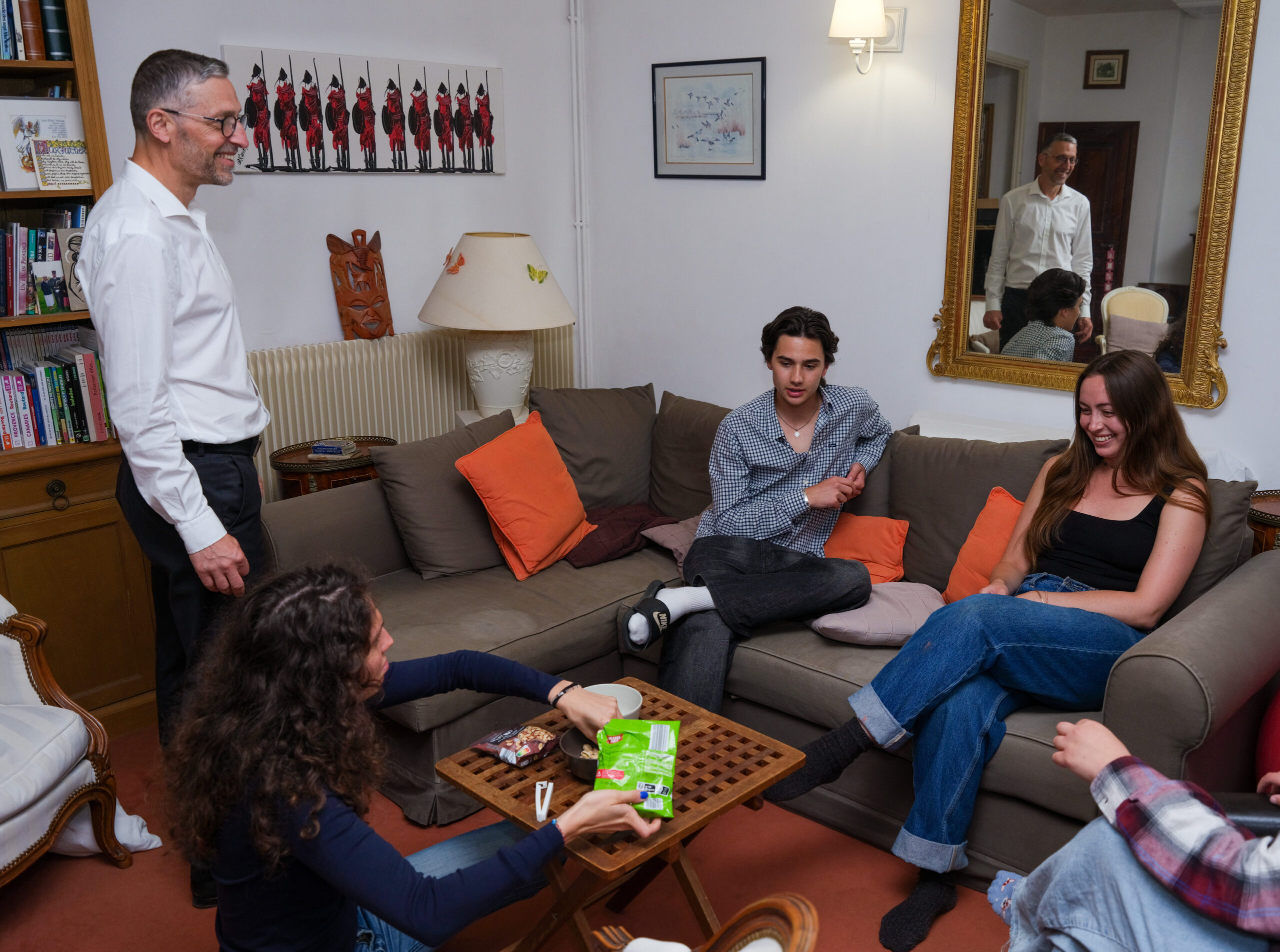
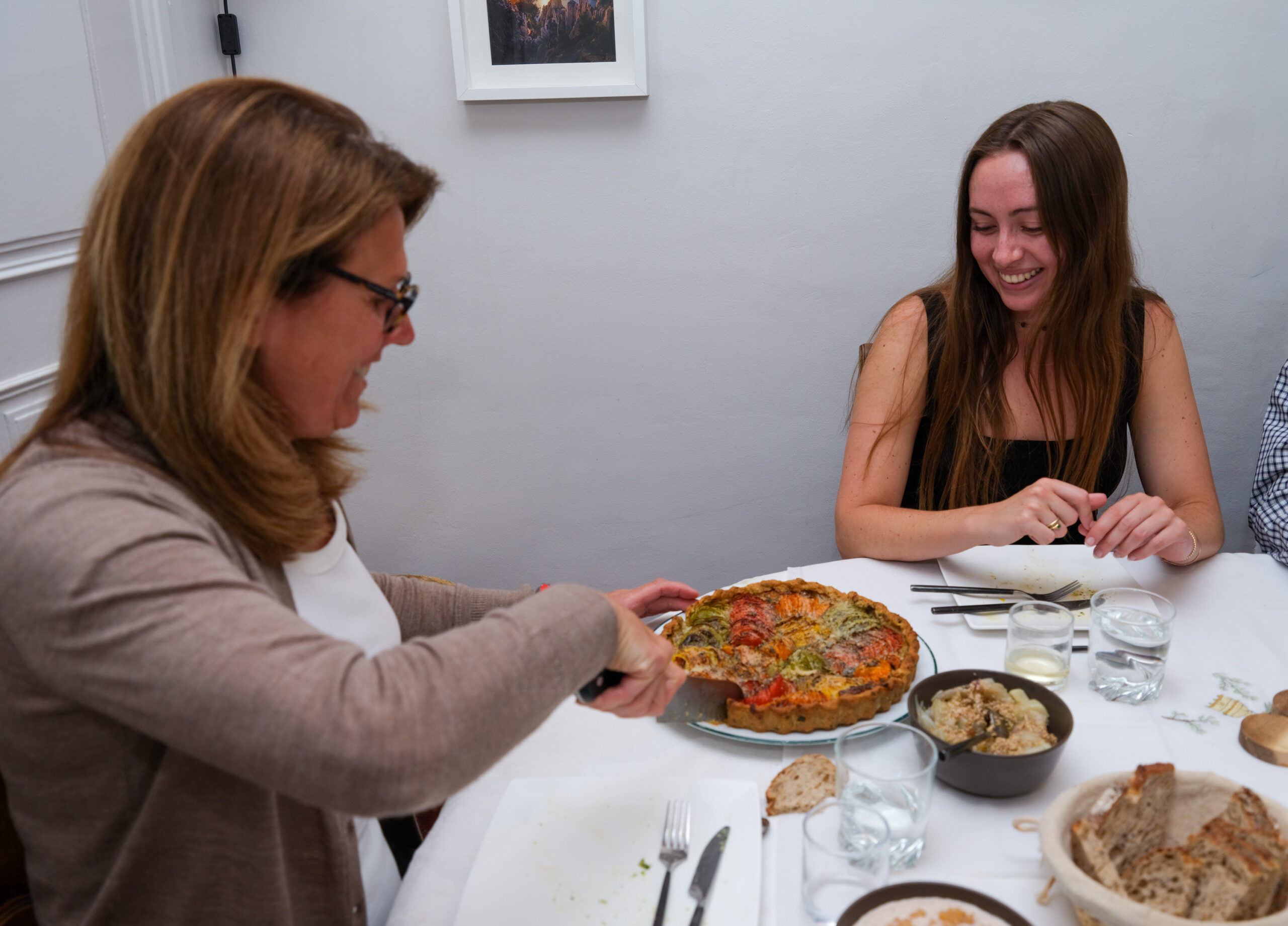
Please note that the pictures provided are for reference only. The decor, layout, furniture, and measurements may vary, and are subject to change based on availability.
Homestays are the primary housing option for students in Aix-en-Provence. The level of interaction between students and their homestay hosts varies on a case-by-case basis.
Living in a homestay is a challenging yet enriching experience. There is an adaptation period to be expected while the hosts and the student get to know each other’s culture and living habits. Hosts are interested in sharing a cultural exchange with students, and our alumni consistently comment on the benefits of the experience. Our hosts come from all backgrounds; some are families with children, others are single retirees. The nuclear family is not the norm.
IAU offers two types of homestay:
| Traditional Homestay with Meals | Homestay with Café Med Meal Credits |
| Students receive daily breakfast and 5 dinners per week, while lunch is the student’s responsibility. Breakfasts in France are typically very light and dinners may vary by family. Students are encouraged to communicate any food intolerances before their arrival, and to communicate with their hosts about food preparation and planning, as this can be a wonderful way to integrate into a French family. | Students in this option will have a Meal Plan at ACM-IAU's Café Med in place of meals prepared by their host. Students will need to shop for and prepare their own meals in the kitchen provided at their homestay, in addition to the meals they have at Café Med. Please note that this option is limited, and each living situation is unique. |
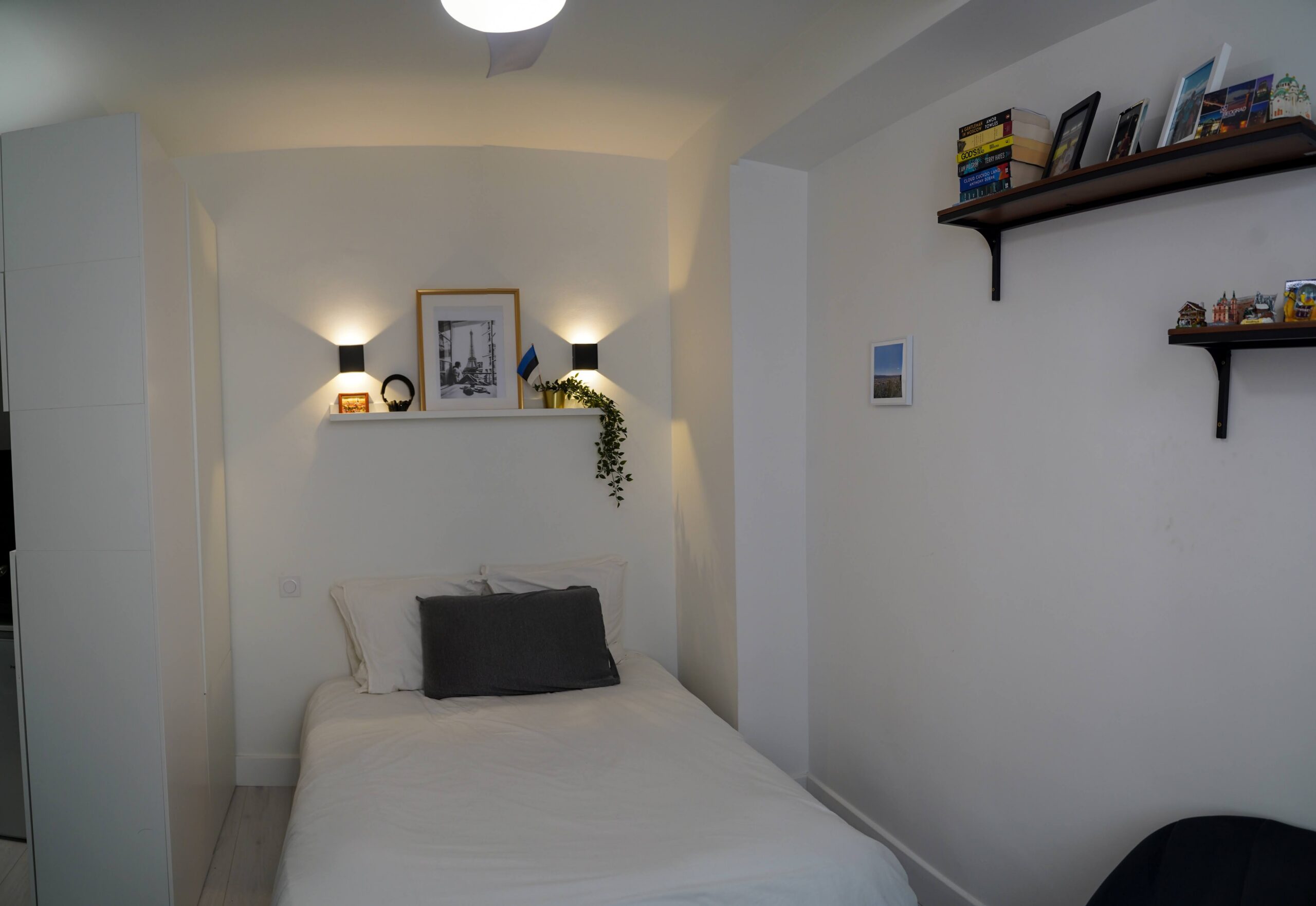
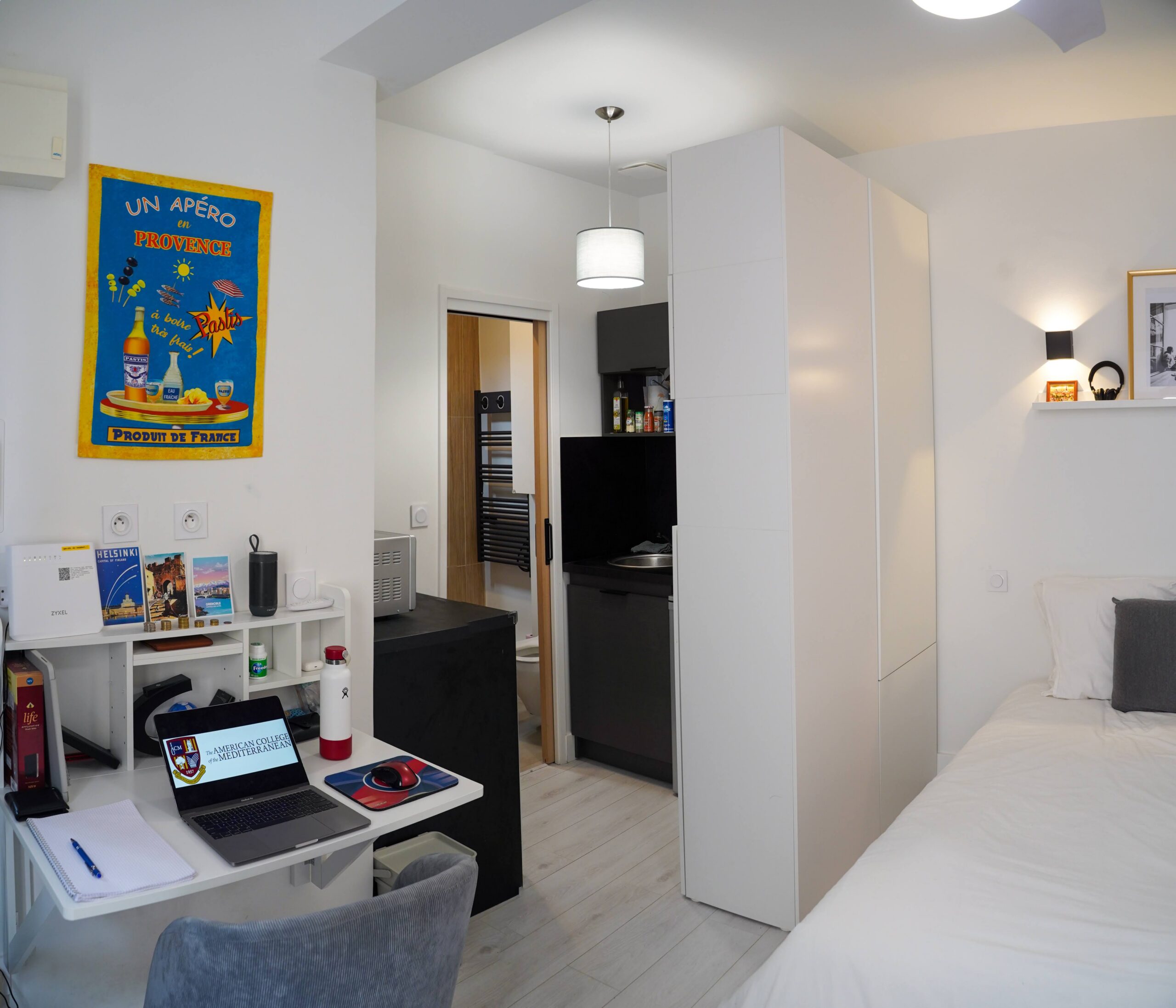
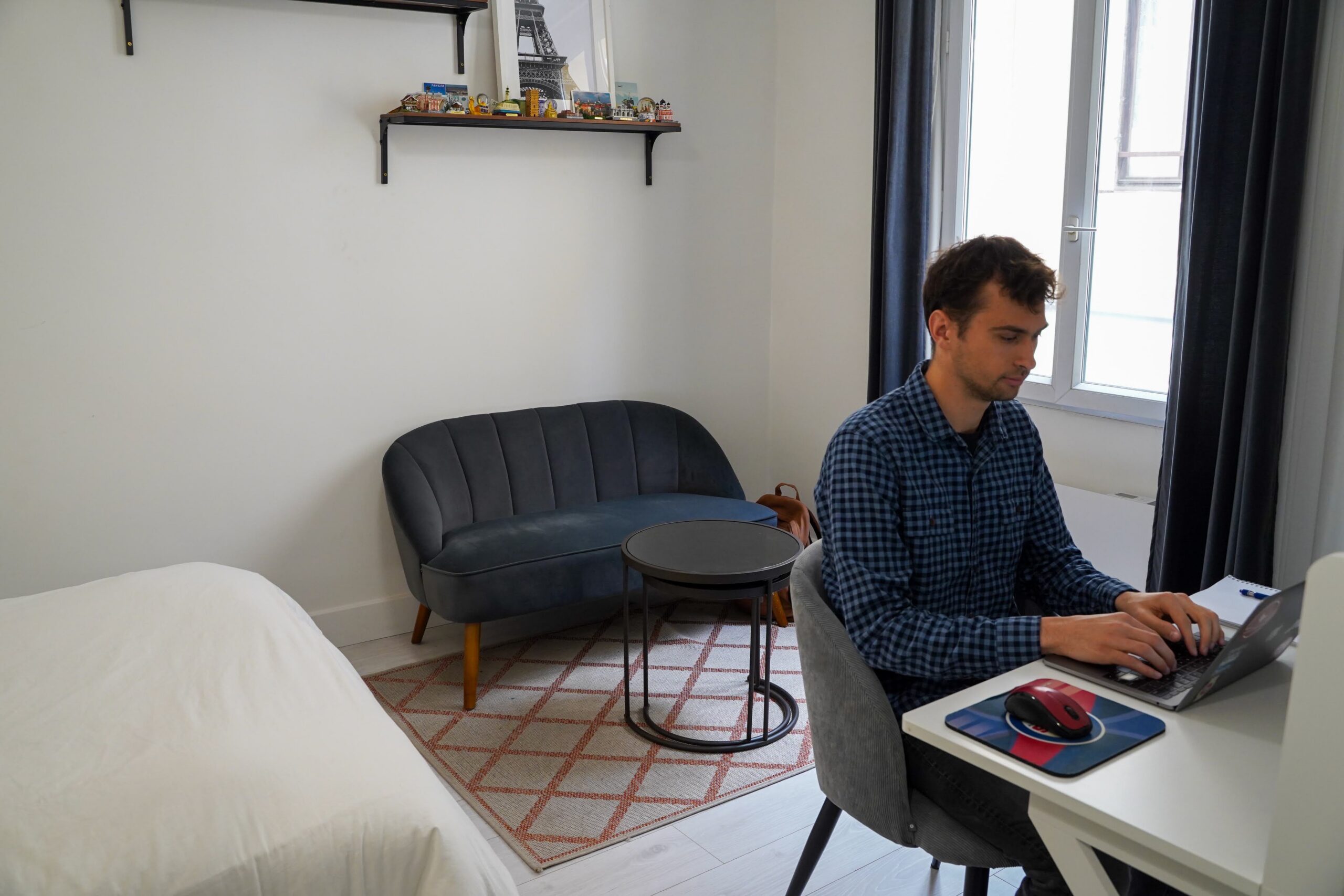
Please note that the pictures provided are for reference only. The decor, layout, furniture, and measurements may vary, and are subject to change based on availability.
COSTS AND FINANCIAL AID
For information about deadlines, scholarships, and financial policies, navigate HERE.
| Item | Inclusions | Cost |
|---|---|---|
| Tuition |
Tuition (12–18 credits), academic resources, course materials, academic field studies, and official ACM-IAU transcript
*School of Record Transcript carries an additional fee |
$13,600 |
| Housing & Student Life Fee |
Housing, Orientation, 24/7 Emergency Assistance, On-Site Support, Wellness Support
*Meal inclusions may be provided by location and housing type |
$5,500 |
| Program Fee | On-Site Activities, Study Tours, Pre-Departure Advising, International Insurance, Administrative Costs | $2,500 |
| Total Cost | $21,600 |
| Item | Inclusions | Cost |
|---|---|---|
| Tuition |
Tuition (12–18 credits), academic resources, course materials, academic field studies, and official ACM-IAU transcript
*School of Record Transcript carries an additional fee |
$13,600 |
| Housing & Student Life Fee |
Housing, Orientation, 24/7 Emergency Assistance, On-Site Support, Wellness Support
*Meal inclusions may be provided by location and housing type |
$5,500 |
| Program Fee | On-Site Activities, Study Tours, Pre-Departure Advising, International Insurance, Administrative Costs | $2,500 |
| Total Cost | $21,600 |
|
Summer 2027 Program Costs |
3 Weeks/1 Course Sessions B or C |
6 Weeks/2 Courses Session A |
6 Weeks/3 Courses Session A |
8 Week Internship/2 Courses |
| Tuition | $3,680 | $6,230 | $7,629 | $6,230 |
| Housing & Student Life Fee | $1,535 | $2,390 | $2,390 | $3,155 |
| Program Fee | $820 | $1,320 | $1,320 | $1,430 |
| Total Cost | $6,035 | $9,940 | $11,339 | $10,815 |
What's Included?
Preparation & Arrival Support
• Personal study abroad advising
• Visa application assistance
• Pre-departure resources and orientation
• On-site orientation to your new home
• Arrival day support
Academics
• Tuition
• Academic resources
• Academic study tours
• Textbooks and course materials
• High-quality academic facilities
• Full-time faculty
• IAU transcript sent directly to your home university
• Access to IAU alumni network and fellowship opportunities
Student Life
• Experienced full-time on-site team
• Housing
• Activities, clubs, community engagement activities
• Academic and cultural experiences
• Day and overnight trips
• Collaboration with The American College of the Mediterranean students receiving their international master's degree
Student Health & Wellness
• 24/7 emergency support
• Comprehensive health, wellness, mental health & safety support
• International medical insurance
• Connection to local English-speaking hospitals or medical centers
• Risk management, emergency preparedness, and student well-being aligned with NAFSA and The Forum on Education Abroad's best practices
CALENDAR
Students will be advised when they should make their travel arrangements by the IAU Admissions Team after they are accepted. Students will be expected in person at the IAU center location of their program on the Arrival Day to move into their housing accommodation, and must vacate their accommodation on the program Departure Day.
Students should not make any personal extracurricular travel arrangements before the first week of classes. Field studies and course excursions can be scheduled during weekends and breaks, so IAU recommends not purchasing any tickets or scheduling any travel until after learning of course requirements on-site.
Fall 2026
| Early Start Program Arrival | Friday, August 28 |
| Arrival | Friday, September 4 |
| Mandatory All Student Convocation | Saturday, September 5 |
| Study Tour to Saintes-Maries-de-la-Mer (Aix Only) | Sunday, September 6 |
| Classes Begin | Monday, September 7 |
| Last Day to Drop/Add/Change a Course Without a "W" | Wednesday, September 16 |
| Fall Break | Saturday, October 24 - Sunday, November 1 |
| Last Day of Class | Wednesday, December 9 |
| Exam Period | Thursday, December 10 - Monday, December 14 |
| Closing Program | Monday, December 14 |
| Departure | Tuesday, December 15 |
Spring 2027
| Early Start Program Arrival | Friday, January 22 |
| Arrival | Friday, January 29 |
| Orientation | Saturday, January 30 - Sunday, January 31 |
| Classes Begin | Monday, February 1 |
| Last Day to Drop/Add/Change a Course Without a "W" | Wednesday, February 10 |
| Spring Break | Saturday, March 20 - Sunday, March 28 |
| Easter Monday (No Classes) | Monday, March 29 |
| Last Day of Class | Friday, April 30 |
| Exam Period | Monday, May 3 - Thursday, May 6 |
| Graduation/Closing Ceremony | Thursday, May 6 |
| Closing Dinner | Friday, May 7 |
| Departure | Saturday, May 8 |
Summer 2027
| Session | Dates | Duration | Course Load |
|---|---|---|---|
| Internship | Saturday, May 22 - Saturday, July 17, 2027 | 8 weeks | 2 |
| A | Saturday, June 5 - Saturday, July 17, 2027 | 6 weeks | 2 or 3 |
| B | Saturday, June 5 - Saturday, June 26, 2027 | 3 weeks | 1 |
| C | Sunday, June 27 - Saturday, July 17, 2027 | 3 weeks | 1 |
STUDENT LIFE
Center and Student Support
IAU is proud to offer a robust system of support, which culminates in student success while abroad. Before traveling abroad, our Admissions team provides pre-departure resources, including virtual orientations and visa advising. Once on-site, students have access to 24/7 emergency support, on-site orientations, and a team of professionals ready to help them succeed. Learn more about student support on our Student Life page.
Campus Activities
Students have opportunities to participate in weekly student life activities, which may include lectures, open-mic nights, cooking classes, language partner exchanges, talent shows, wine tastings, and other cultural events with IAU students and students from the local French universities. There is also a thriving outdoor culture in Aix-en-Provence that students are encouraged to engage in.
Field Studies and Study Tours
Over the course of their time abroad, students can expect to participate in field study trips associated with specific classes, where faculty use the city of Aix-en-Provence as their classroom. These field studies include visits to museums, historical and cultural sites, and local businesses. Academic study tours may include Paris, Geneva, Arles, Isle sur la Sorgue, Fontaine de Vaucluse, Les Baux de Provence, Avignon, Marseille, and Nîmes. Some courses may include field studies to other parts of France, Europe, and North Africa.
Included cultural excursion examples (subject to change and depending on season):
- La Ciotat and Parc du Mugel
- Le Luberon
- Les Baux de Provence & Fontaine de Vaucluse
- Moustiers & Gorges du Verdon
IAU offers optional multi-day cultural trips to destinations in Europe and North Africa, organized by IAU staff for an additional fee. Trips vary by term and include round-trip flights, accommodations, ground transportation, some activities, most meals, and 24/7 staff support. Students must register and pay a nonrefundable deposit before the term begins, with the remaining balance due prior to departure.
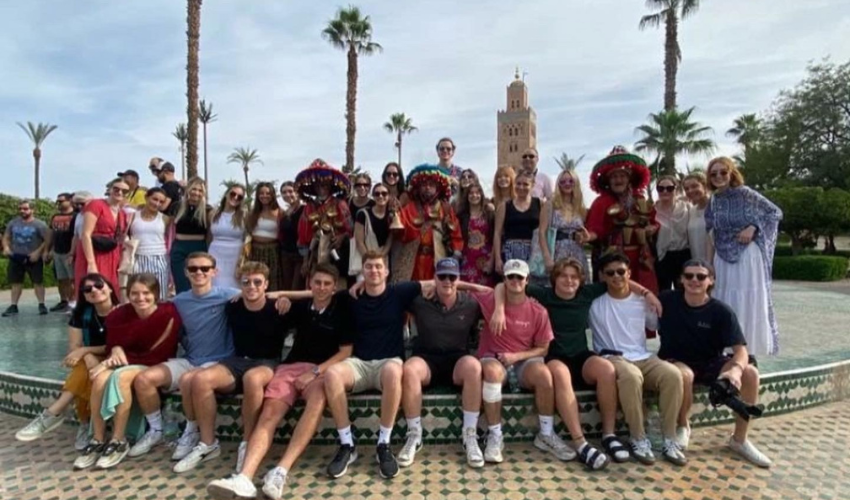
Multi-Day Trip to Morocco
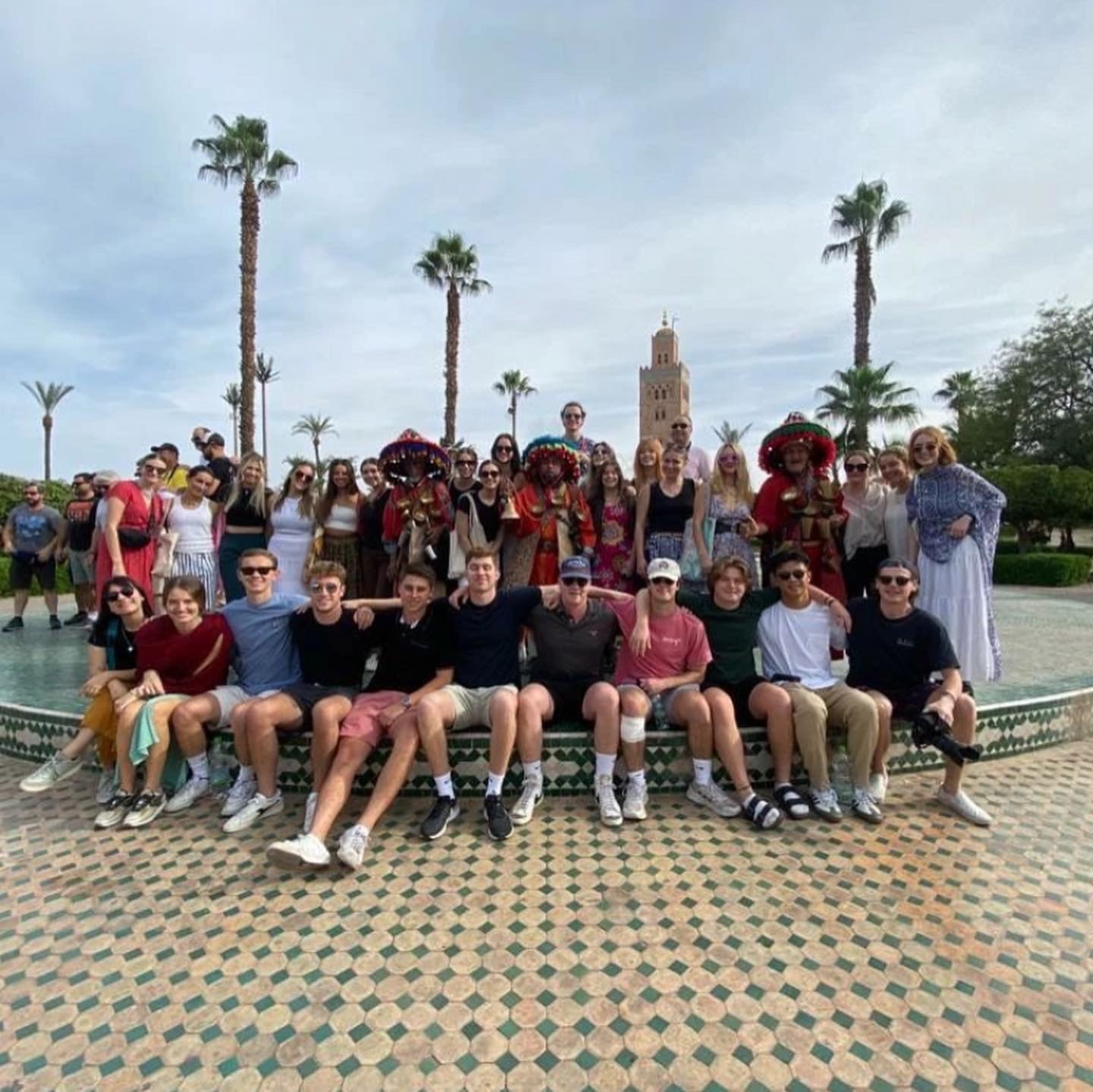
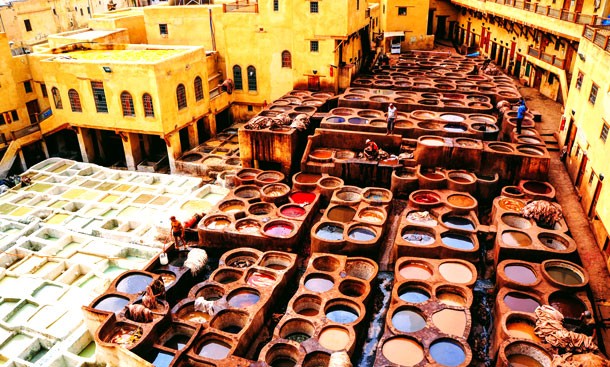
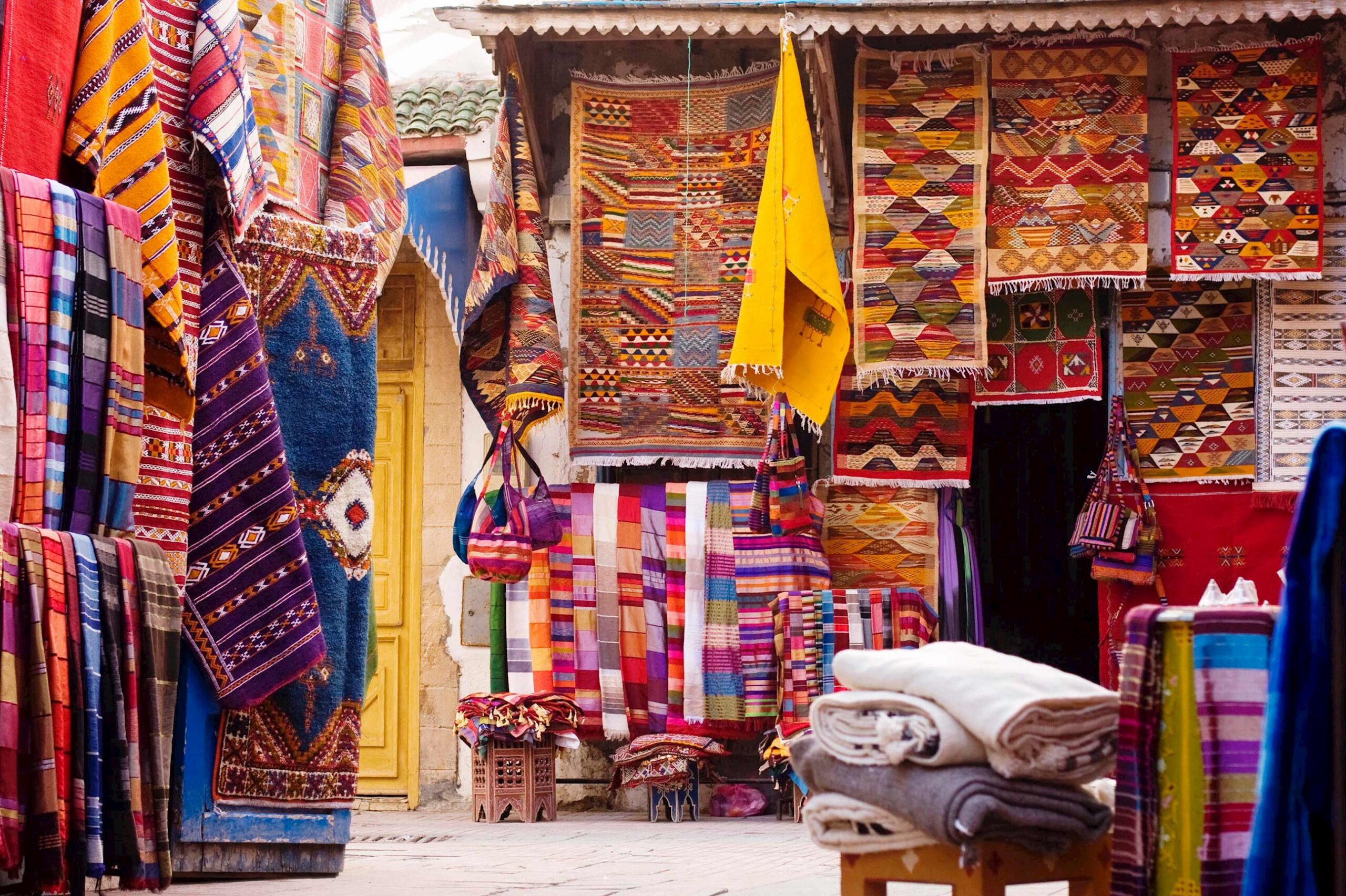
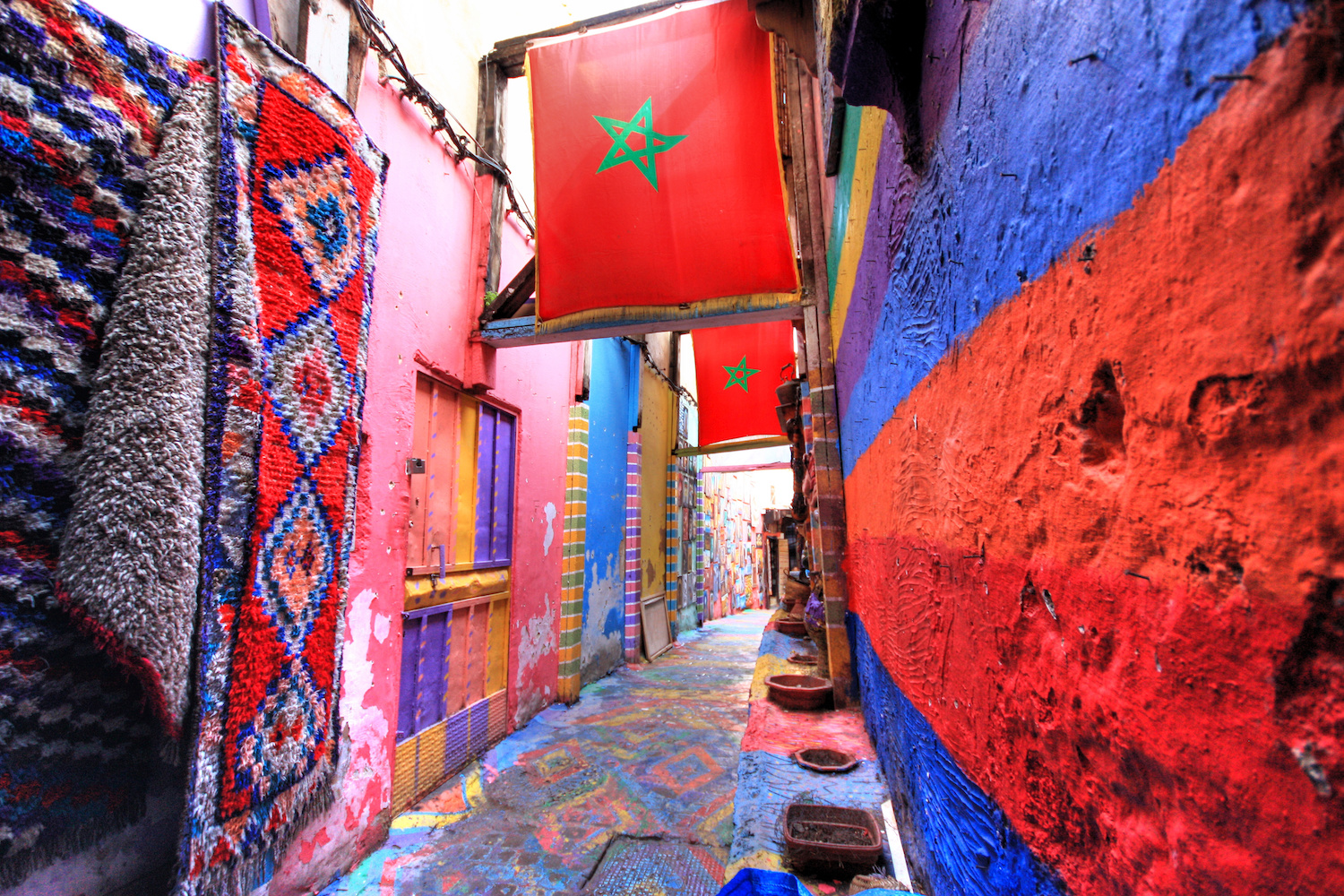


Multi-day trip to Morocco
From breathtaking landscapes to vibrant city streets, this journey offers a true taste of Morocco’s magic. Discover its rich history, unique traditions, and unforgettable beauty, all in one incredible trip. Participating students will visit Cabo Espartel & Hercules Cave, see the charming town of Asilah, and explore the Old Medina of Tangier. They will also visit the Blue Pearl of Morocco, Chefchaouen, and see the Strait of Gibraltar.
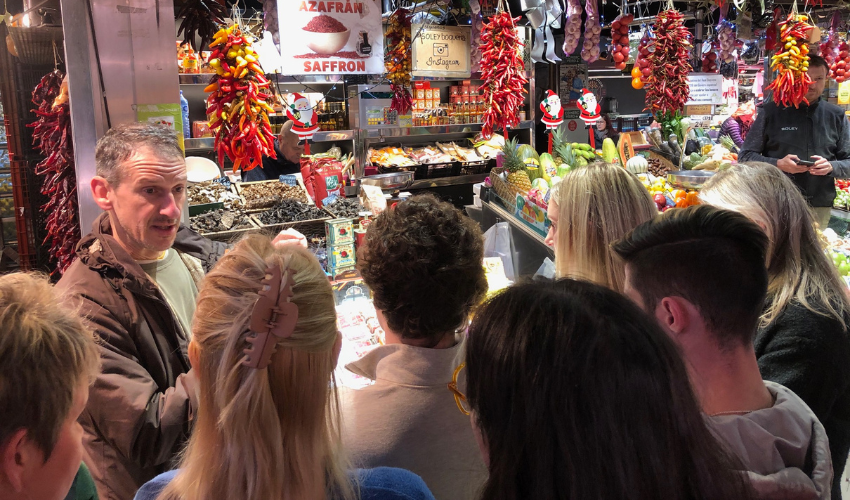
Made in Italy: Food, Cars, and Fashion
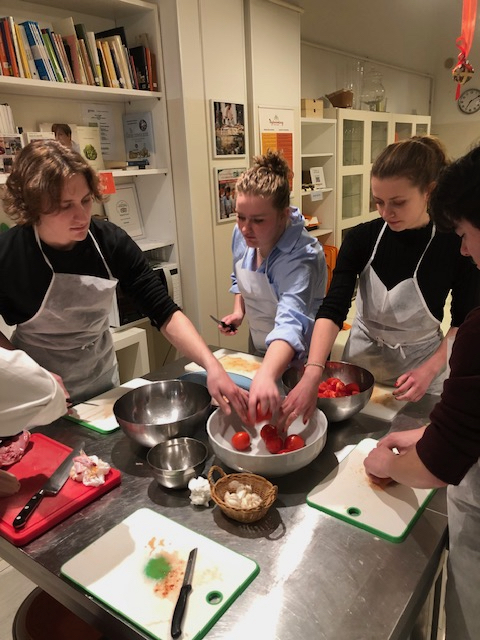
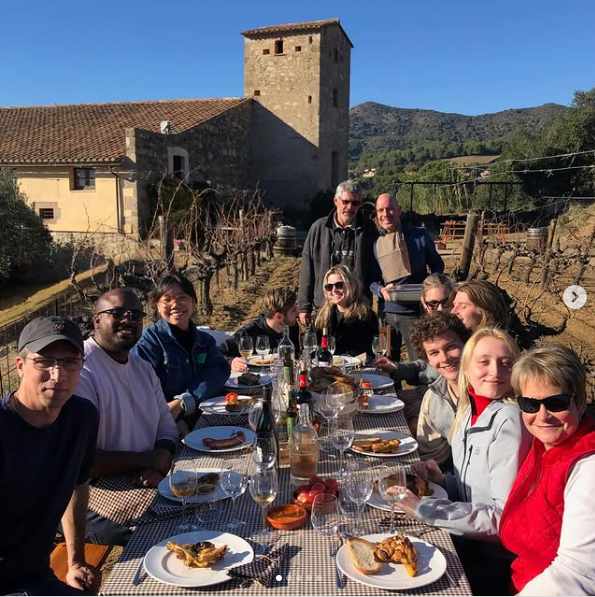
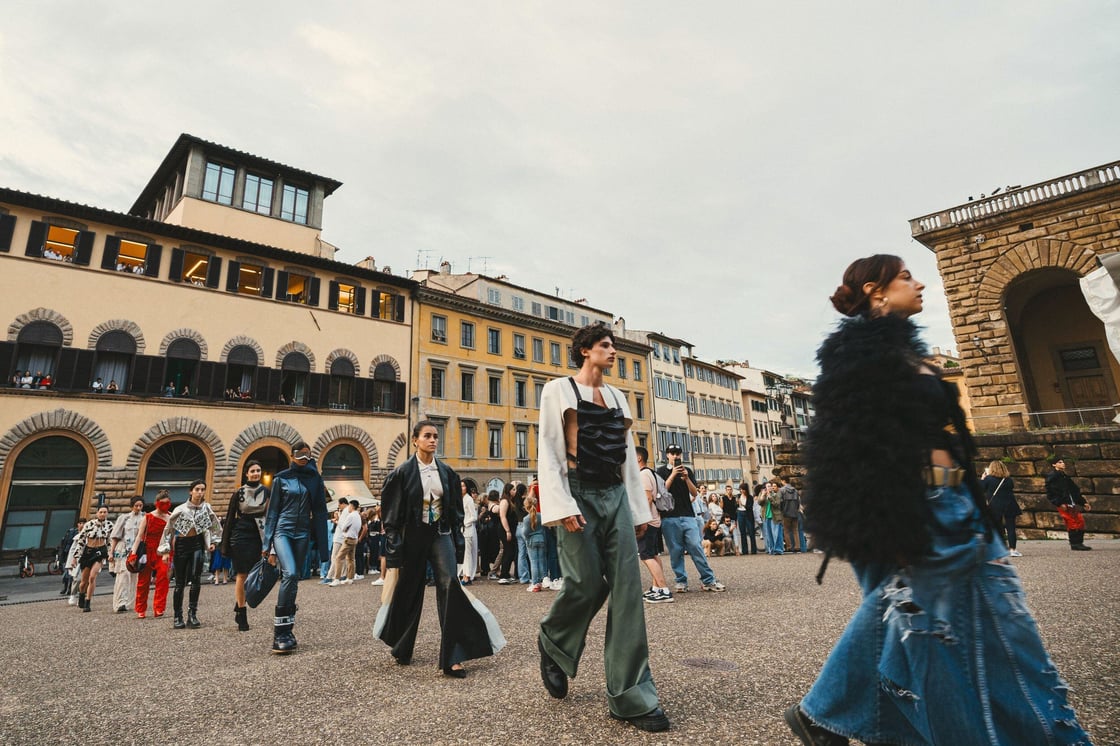
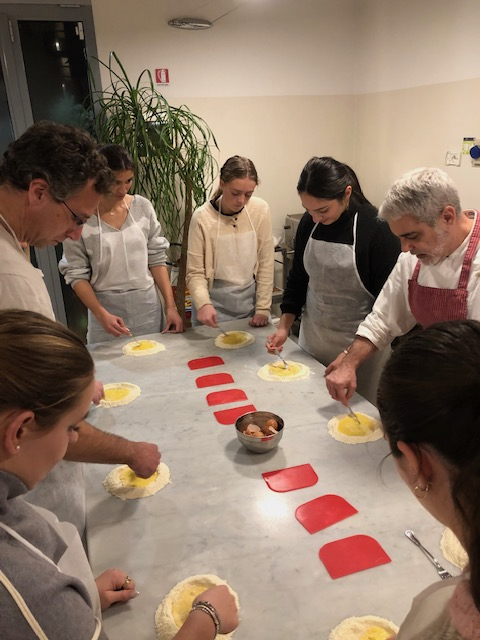

Made in Italy: Food, Cars, and Fashion
Students will experience the essence of Italy through fashion, speed, and flavor: from Milan’s iconic style to Florence’s timeless art, and the culinary treasures of Parma and Modena. Some trip highlights include visiting a Parmigiano Cheese Farm, a Prosciutto di Parma Farm, the Ferrari Museum & Factory, and the Chianti Wineries in Tuscany.